





Lighting control systems
Lighting control systems allow a range of lighting system inputs and outputs to be controlled from a central device. This enables the provision of the optimum level of lighting at the place and time it is needed.
Lighting control systems can be programmed to adjust lighting output based on factors, including:
- Time of day.
- Activities.
- Sunrise and sunset.
- Occupancy levels.
- Daylight levels.
- Combination of factors.
The main advantage of installing a lighting control system is that it enables the control of single or multiple lights from a single device, rather than having to be manually or locally controlled. This enables complex pre-sets to be designed depending on the conditions required, and helps to maximise the energy savings that can be made.
Types of lighting include:
- Local manual switching.
- Photoelectric control.
- Presence detection.
- Absence detection.
[edit] Related articles on Designing Buildings Wiki
- Commercial lighting.
- Daylight lighting systems.
- General lighting v task lighting.
- Health and wellbeing impacts of natural and artificial lighting.
- Lighting.
- Lighting and energy efficiency.
- Local manual switching.
- People-friendly lighting controls.
- Smart lighting market to 2020.
- Smart office lighting.
Featured articles
Check out some of the best features and news from Designing Buildings as well as key stories from around the web.
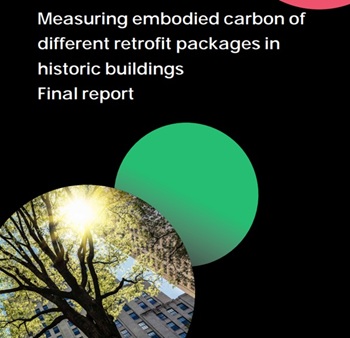
Historic England publishes research into embodied carbon when retrofitting traditional buildings.

New Prime Minister delivers on ECA call for cut in electricity costs.

CIOB reacts to the announcement of Andy Burnham as Prime Minister.

Heritage and conservation science workforce survey - Have your say.

England's Suburbs 1820-2020. Book review.

New, more proportionate and targeted approach for higher-risk building assessments.

Government brings British Steel into public ownership.
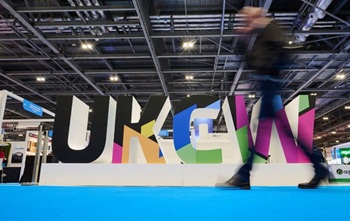
UKCW Birmingham returns with bold new theme and focus.
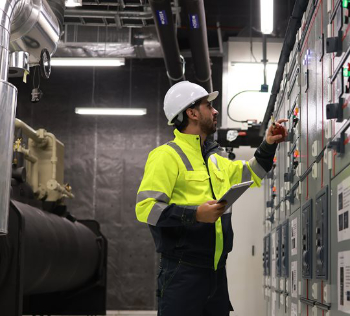
New guidance published on competence requirements for self-certification schemes.
Construction Management, 8 July

NEETs crisis drives interest in trades, but apprenticeships barriers remain.
Passive fire protection webinar
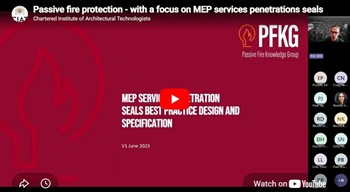
MEP services penetration seals.

Where its at podcast (and video) - The role of the Architectural Technologist as an Expert Witness.